
What a verified pilgrim record actually contains
One record, five audiences, different fields for each. A field-by-field account of the data model the whole platform rests on.
Everything else in the platform — oversight dashboards, alerts, settlement, service fulfilment — is a projection of one object. Getting its shape right was the longest argument of the first year.
The record
- Identity: legal name, date of birth, nationality, passport number, photograph, verification state and verifier.
- Assignment: state or region, operator, group, group leader, room, coach.
- Health: declared conditions, medications, screening status, medical consent flags. Never free-text notes.
- Journey: visa state, flights, accommodation, transfers, rite progress.
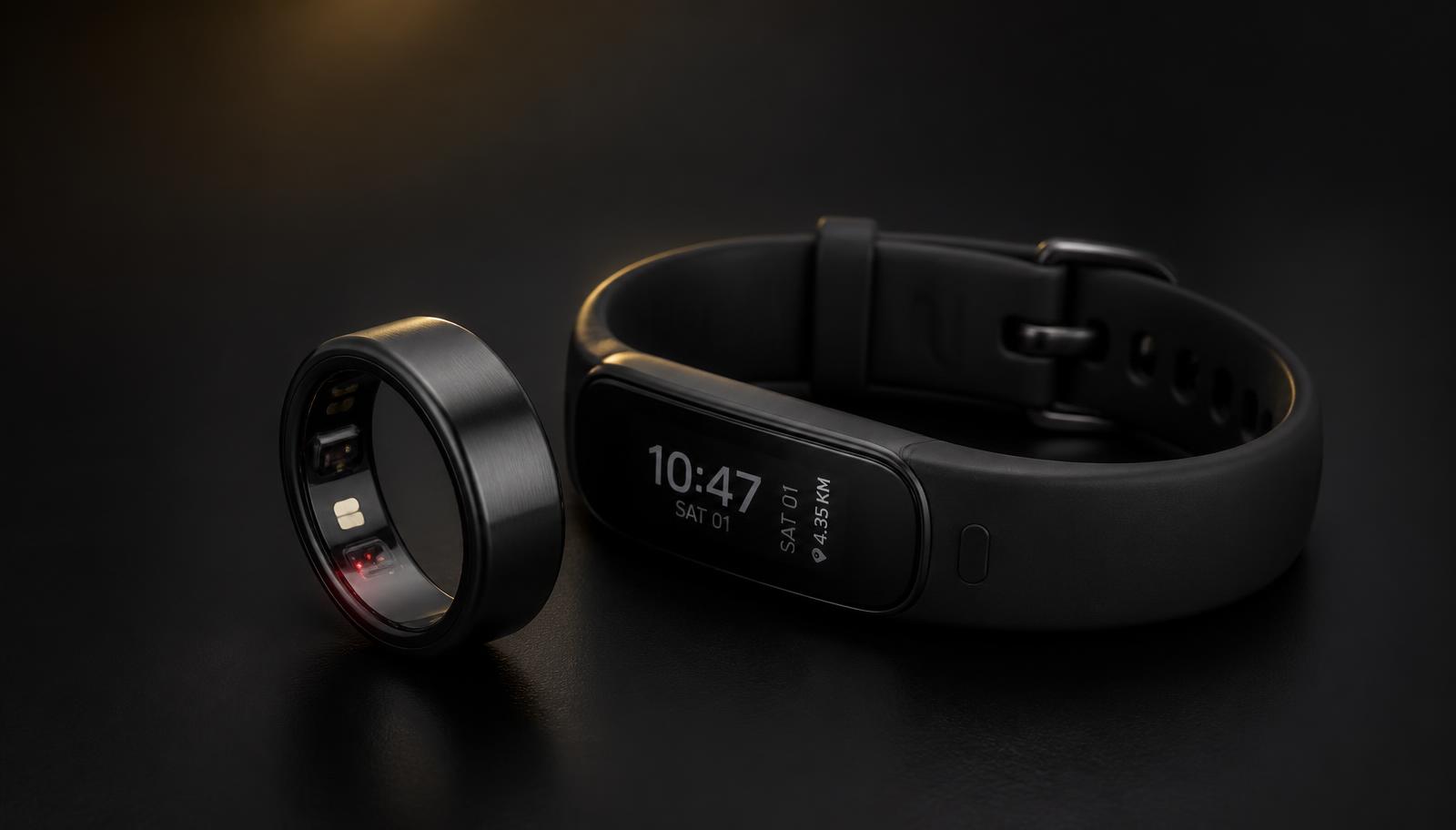
- Devices: paired wearables, battery state, last heartbeat.
- Contacts: two emergency contacts, maḥram where applicable, consent matrix.
Projections, not copies
A service provider preparing a hotel arrival sees name, arrival window and accessibility need. An agency sees compliance state and named exceptions. A family sees status. The operator sees operations. There is exactly one row underneath, and no audience receives a field it does not need to do its work.
“Every duplicated record becomes a stale record, and stale records are how people go missing on paper.”
Verification states
Records are unverified, document-verified or biometrically verified, and the state travels with the record. Institutions can require a verification floor for departure clearance, which turns an abstract data-quality goal into a concrete gate that is met weeks earlier.
Last updated 27 January 2026