
The duʿās of the journey, and when they are said
From leaving the house to the farewell Ṭawāf — the supplications with authenticated sources, and honest notes where a popular duʿā has no chain.
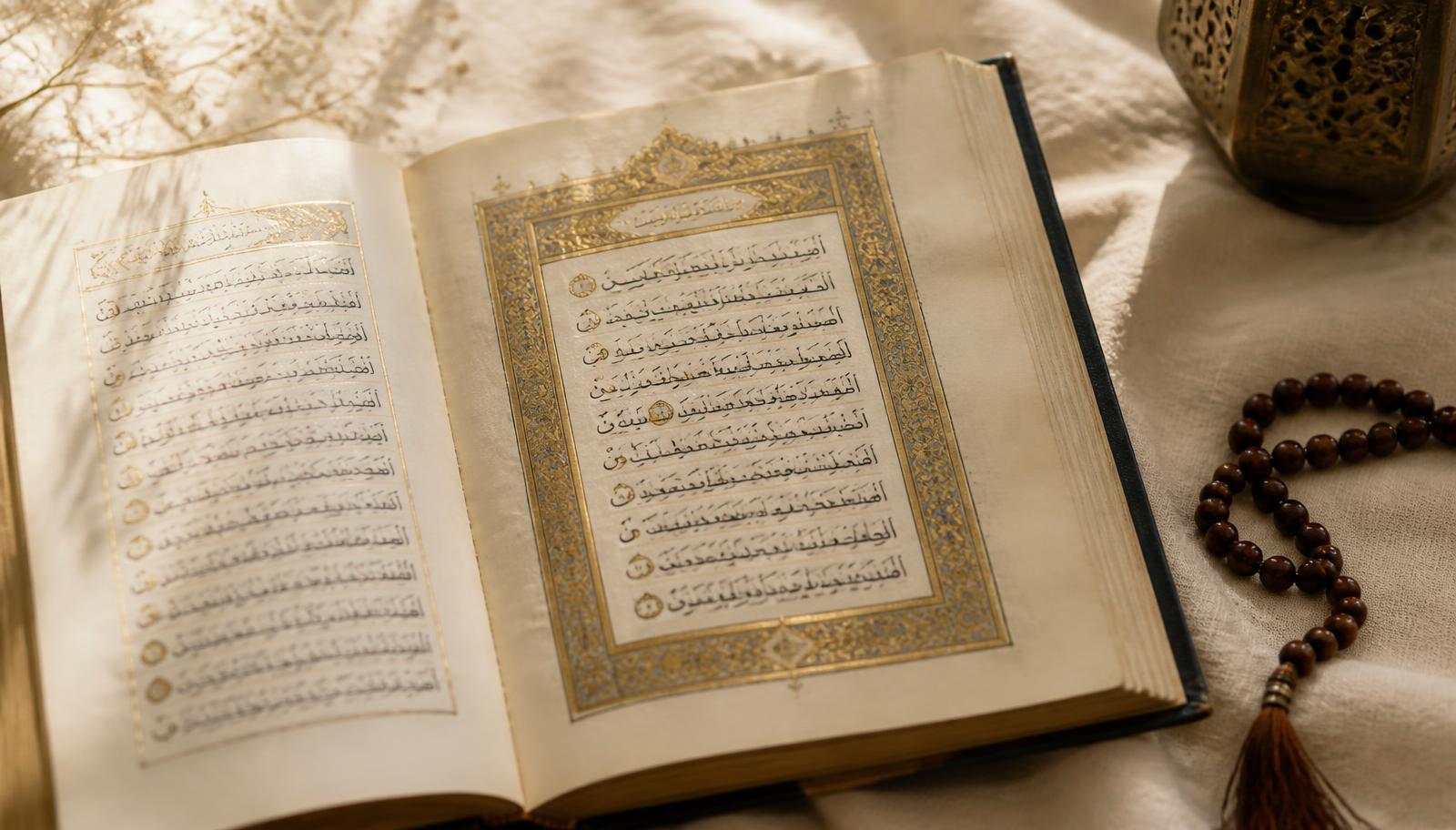
Pilgrims arrive carrying photocopied booklets of supplications, often inherited, frequently unsourced, sometimes assigning a specific duʿā to each circuit of the Ṭawāf. There is no harm in supplicating with any lawful words; there is harm in believing an invention is a sunnah.
The established points
- On departing: the duʿā of travel, reported in Ṣaḥīḥ Muslim, said on mounting the transport.
- On entering iḥrām: the talbiyah, raised for men, recited continuously and renewed at changes of state.
- On first sight of the Kaʿbah: supplication is recommended; the specific wording is left open in the strongest reports.
- Between the Yemeni corner and the Black Stone: 'Our Lord, give us good in this world and good in the Hereafter,' as reported in Abū Dāwūd.
- On Ṣafā and Marwah: the recitation of the verse of Ṣafā and Marwah, then takbīr and free supplication facing the Kaʿbah.
- At ʿArafah: the day's best supplication, with the reported formula of tahlīl, and long free supplication until sunset.
Where we say 'no chain'
The app's guidance marks specific circuit-by-circuit Ṭawāf supplications as popular practice without an authenticated chain. This is not a ruling that they are forbidden — a pilgrim may say what they wish — only a refusal to present them as prophetic.
“Truthfulness about a source is itself an act of worship.”
Every duʿā screen renders the Arabic in Amiri, a transliteration for those who need it, a translation in the pilgrim's language, and the reference underneath. The reference is not a footnote. It is the point.
Last updated 12 April 2026